
Find the battery that fits. See what it could save you.
Answer a few short questions about your power cuts, your DG set and your solar. The battery on screen changes as your answers grow, and your savings estimate builds below it. We reply on WhatsApp with a quote, and the payback when there is a saving.
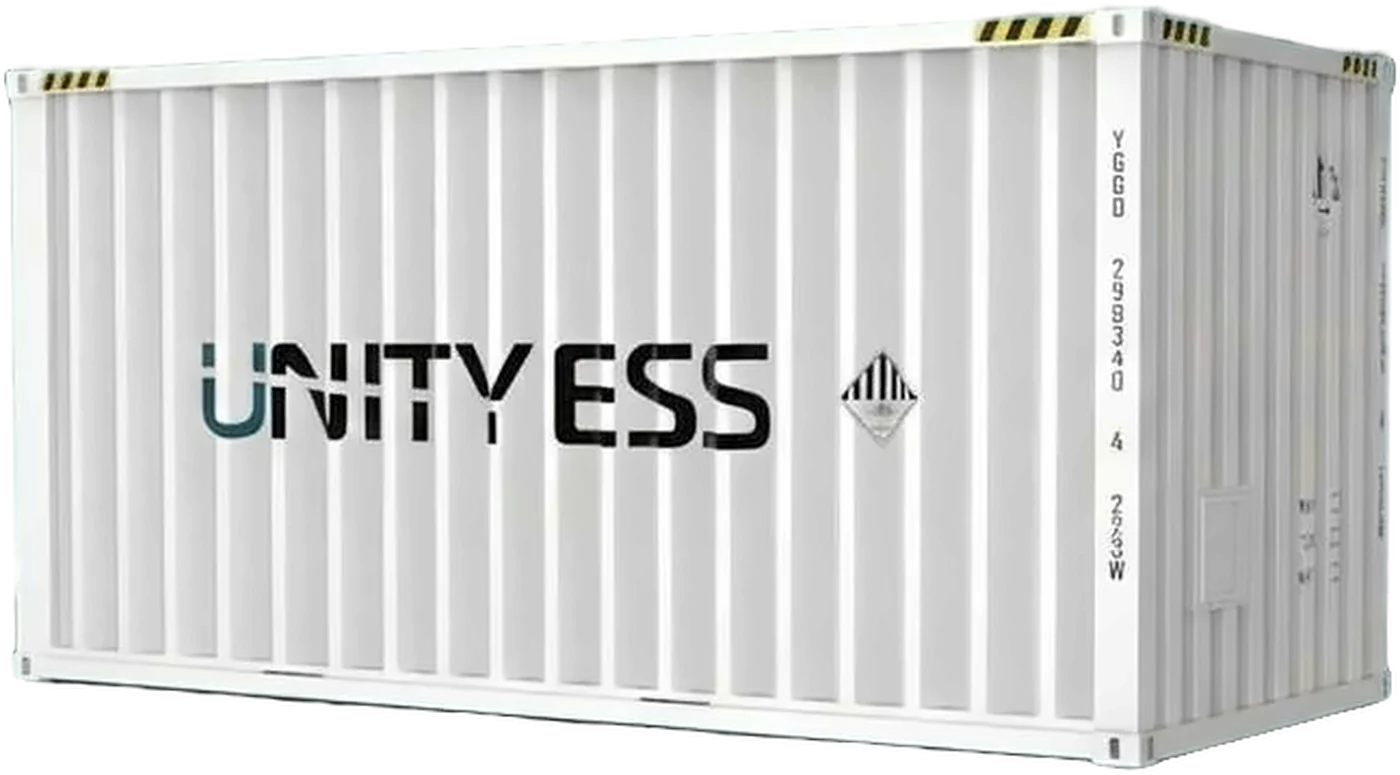
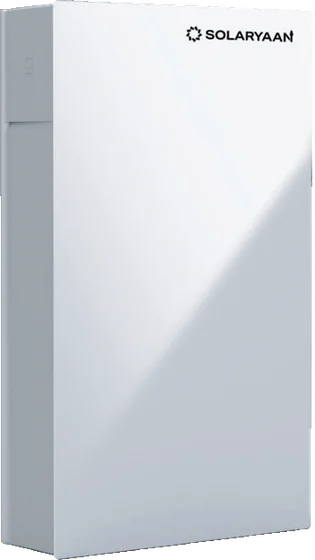
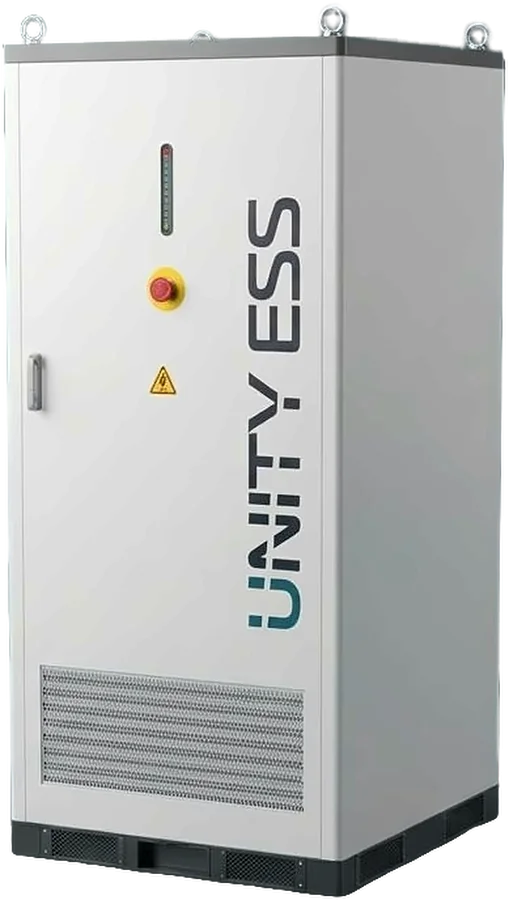
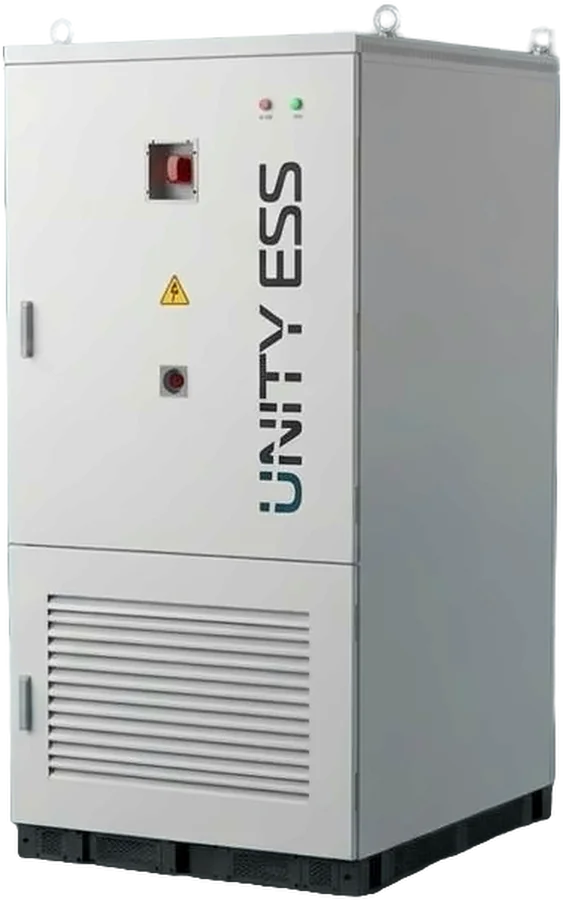
Shown for illustration, not to scale.
- Usable
- Waiting
- Carries
- Waiting
- Your need
- Waiting
- Estimate
- a year
Your answers
-
Question 1 of 6
A few short questions after this one. Your answers stay in your browser: the sums run here, and nothing leaves the page until you press send in WhatsApp.
-
Question 2 of 6
What must keep running when the power goes, and for how long?
Add up the machines, lights and pumps that cannot stop. A rough figure is fine. This is the load your DG set carries today.
Our starting figure. Change it to your own.
Our starting figure. Change it to your own.
Marks on the track show where the suggested system changes.
-
Question 3 of 6
How often does the power go?
Think of a normal month, not the worst one.
Our starting figure. Change it to your own.
Our starting figure. Change it to your own.
-
Question 4 of 6
Our starting figure. Change it to your own.
Count only solar that is lost today: cut back by a zero-export setting, spilled while the plant is idle, or exported with no credit. Units credited on your bill under net metering are not wasted. Our starting figure is 10%. Change it to your own.
-
Question 5 of 6
Our starting figure is ₹25 a unit, which comes to ₹2,000 an hour at your 80 kW. ₹2,000 an hour is typical for a medium-sized business. Change it to your own.
Typical running costs, for reference
- A 62.5 kVA set: about ₹700 to ₹1,440 an hour.
- A 125 kVA set: about ₹1,300 to ₹2,700 an hour.
- A 75 kW load: about ₹1,932 an hour, or about ₹25.76 a unit.
- Diesel power usually costs ₹18 to ₹35 a unit, nearer ₹18 to ₹22 a unit when the set runs at about 75% of its rating.
Figures we see in the region, October 2026.
-
Question 6 of 6
What do you pay for grid power?
Take the rates from your electricity bill.
Our starting figure. Take yours from your bill.
Our starting figure. Change it to your own.
Our starting figure. Change it to your own.
Your normal rate, or a cheaper night rate if your bill has one.
Our starting figure. Change it to your own.
These start as placeholders, not your tariff. Set them from your bill.
-
That is everything
Your estimate is ready, just below.
Change any answer above and the battery and the estimate follow. Payback and a quote come on WhatsApp.
-
Diesel you would not burnStarting figure
-
Grid power to refill the battery after a cutStarting figure
-
Daytime solar kept for the eveningStarting figure
-
Evening peak run from the batteryStarting figure
Every figure is an estimate from your answers and the figures shown. It is not a quote or a promise of savings. Not counted: contract-demand charges, the cost of downtime avoided, solar during a cut, inverter battery replacements and any change in tariff.
One day with your battery
An example day drawn from your answers. Cut and peak times are for illustration only.
- In a cut
- Spare solar
- Evening peak
The figures behind it
Change any of them to your own. The estimate updates as you type.
Your normal rate. Also set in question 6.
Our starting figure for a factory closed on Sundays.
Our assumption. The UnityESS datasheets give a DC round-trip efficiency above 94% and the All-in-One inverter is up to 97.6% efficient. 85% covers conversion losses and cooling for the whole system.
Our assumption: a yearly average for North India.
Our assumption: the datasheets do not print a usable share. UnityESS engineers confirm it when they size your system.
Our rule. When a unit moved into the evening peak saves less than this after losses, we do not make the battery bigger for the peak. It only uses the room left after your backup and solar.
Payback depends on your site, so we work it out for you.
WhatsApp opens with your answers, the suggested system and this estimate filled in. Nothing is sent until you press send.
Hello Solentra, I used the battery savings calculator on your website.
Please send me the payback and a quote.
The sums behind the estimate
How we pick the system
- For a business we try UnityESS Aura first, which carries up to 64 kW.
- Then Aqua 4, at 125 kW a cabinet. This estimate counts up to four cabinets before moving up; UnityESS engineers size the final system.
- Then Aqua 6 or Aqua 8, at 215 kW a cabinet, again up to four in this estimate.
- Then Ultima containers, at 2.5 MVA each.
- The first that carries your load and holds what you need wins, with the fewest units, unless that means more than 10% more battery than another size that also fits.
- For a home it is the SolarYaan All-in-One, up to three in parallel. If one unit fewer falls no more than 5% short of what you need, we suggest it and show the hours it really gives.
- With power cuts, the battery keeps your backup ready all day, and solar or the evening peak use the room above it, once a day.
- The evening peak makes the battery bigger only when each unit moved saves at least ₹1.50 a unit after losses. Below that, it uses only the room the backup and solar leave.
What we count
Diesel your DG set would not burn, less the grid power to refill the battery; spare daytime solar kept for the evening; and the evening peak run from the battery, if your bill has a higher peak rate. At most one full charge and discharge a day.
What we do not count
Contract-demand charges, the cost of downtime avoided, solar during a cut, inverter battery replacements, subsidies and any change in tariff.
Where the starting figures come from
- A 62.5 kVA set: about ₹700 to ₹1,440 an hour.
- A 125 kVA set: about ₹1,300 to ₹2,700 an hour.
- A 75 kW load: about ₹1,932 an hour, or about ₹25.76 a unit.
- Diesel power usually costs ₹18 to ₹35 a unit, nearer ₹18 to ₹22 a unit when the set runs at about 75% of its rating.
Figures we see in the region, October 2026.
Rates and cut hours start as placeholders. Set them from your bill and your own records.
Why we do not show payback here
What a battery system comes to depends on the site, the connection and the design. Message us on WhatsApp and we work out the payback for your site.
UnityESS figures are from the UnityESS Product Catalogue for C&I (2026), as on our BESS solutions page. SolarYaan All-in-One figures are from SolarYaan. Page checked on 8 October 2026.